
After RBI Corporation completed an ERP migration to Acumatica, they were able to keep the 40-year pricing structure that runs their business with Rockton Pricing Management (RPM).
For 40 years, RBI Corporation ran on one ERP system. Over that time, they built what most distributors would recognize: a pricing structure shaped exactly to how they sell.
RBI distributes lawn and garden products and arborist products. They move goods to businesses that resell them, and they sell direct to consumers through retail locations where customers walk in for chainsaw chains, mower bars, and arborist rope. A business like that does not run on one price. It runs on levels, matrices, promotions, and customer-specific programs built up over decades.
Then the system they had relied on for 40 years got sunset.
The problem every ERP migration eventually hits
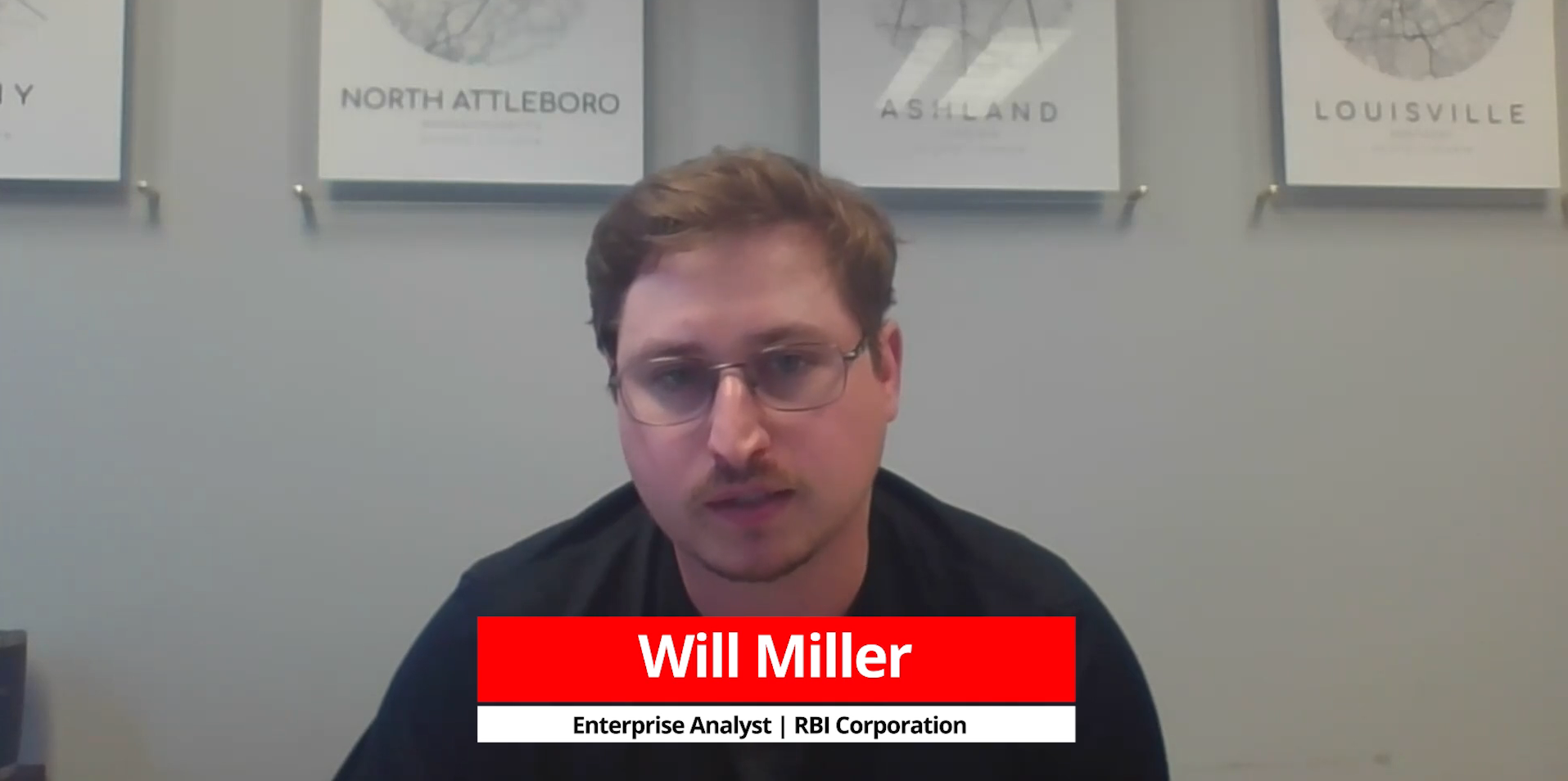
Suddenly RBI had to evaluate new ERPs and decide where to land. They liked Acumatica and wanted to move there. But there was a catch, and it is the same catch that stops a lot of distributors cold. Acumatica’s “pricing aspect was hard to map to what we are currently using,” said Will Miller, Enterprise Analyst at RBI Corporation.
This is the quiet risk in every ERP migration. The new platform handles the ledger, inventory, and orders well enough. Then you reach pricing, and the native tools cannot hold the logic your business actually runs on. The unspoken pressure is to simplify: flatten the matrix, drop programs, and reshape decades of pricing to fit the software.
For a distributor, that is not a technical compromise. That is margin walking out the door. RBI did not want to rebuild their business to fit an ERP. They wanted an ERP that fit their business.
The plan: carry the whole structure across the move
That is where Rockton Pricing Management came in. RPM is a Pricing Intelligence Platform for ERP-driven distributors, and it connects to Acumatica through the API to do the one thing Acumatica’s native pricing could not: carry RBI’s full pricing structure across the move. “RPM allowed us to do so,” Will said.
Rebuilding 40 years of pricing is not a slogan. It is a set of tools, and RBI put them to work:
- Recreate the matrix. RBI used attribute maps to rebuild their pricing levels and matrix structure, the exact model native Acumatica pricing could not map.
- Run any program they can think of. RBI gives promotions and special pricing on a long list of criteria, by customer, by item, and combinations of both. RPM “gave us the opportunity to create programs any way we could really think of,” Will said.
- Break by more than quantity. Quantity breaks run by quantity, by dollar amount, or by weight, specified by any mixture of item, customer, or document attribute.
- Segment cleanly. Filters let RBI group products and customers so promotions and pricing land where they belong.
- Personalize price files. Catalogs let RBI build price files tailored to each customer.
The part they did not expect
Beyond pricing, RBI used RPM’s data sync features to store data they do not even keep in their ERP. Working with the Rockton team, they built functionality that connects their website and their ERP so items are added automatically, only when needed.
The result is an ERP that stays clean, holding only the products they actually need, while RBI still offers a large catalog to customers without bloating their business system. As Will put it, Rockton has “been huge for our business in that regard.”
The result, in Will’s words
RPM “delivered unbelievable value to our business, allowing us to create these structures that have helped us diversify our pricing in ways that allow us to optimize our margin output.”
And the relationship held up under real demands. When RBI wanted to do something that “seemed impossible at first,” Rockton worked with them again and again to make it possible, sometimes by showing them how, sometimes by building new functionality just to make it happen. “They’ve been the easiest and best to work with,” Will said. “They get back to us right away.”
What RBI’s story says to other distributors
If you’re going through an ERP migration, answering to a new CFO about margin, or reconciling pricing after a merger, you’re in the spot RBI was.
Most distributors take the easy road: run whatever pricing the new ERP includes and let the rest go. But the programs that don’t survive the move are often where the margin is. And here’s what usually goes unnoticed: the old system rarely showed you that margin either. If it let you set discounts without showing what each one cost, you were pricing without the full numbers. An ERP migration can lock that blind spot in place, or it can be where you finally close it.
You can’t improve margin you can’t see.
See your own numbers
RPM exists so distributors never have to choose between a modern ERP and the pricing that runs their business. If you want to know what your real margin picture looks like, start with a free 30-minute Margin Analysis. We use your own ERP data to show you where your margin actually sits. In one analysis, we found 8.73% in margin the pricing system was not accounting for. On $100M in revenue, that is $8.7M. Most distributors know a gap like that exists. Few can see where it is or how large. This is how you find out.